
BPC-157 & TB-500 40mg (R&D Only)
Introduction to BPC-157 & TB-500 Research Peptides
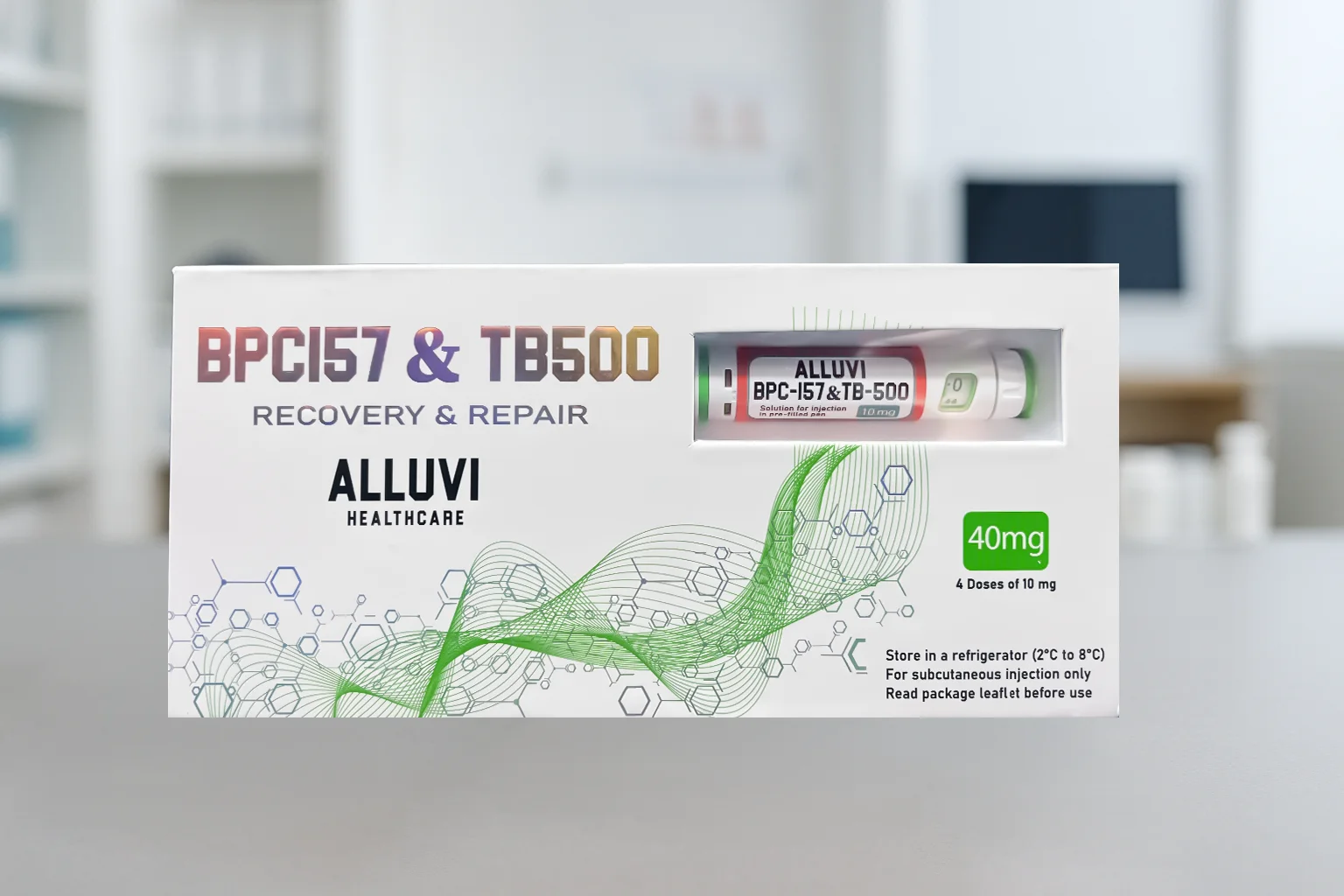
BPC-157 & TB-500 40mg represents a dual-peptide research formulation designed for qualified laboratories conducting investigations into tissue repair mechanisms, cellular migration pathways, and angiogenesis. These synthetic peptides have gained attention in preclinical research for their distinct biological mechanisms and potential synergistic effects.
Manufactured under rigorously controlled conditions, our BPC-157 & TB-500 40mg combination is intended exclusively for laboratory research, analytical testing, and mechanistic studies—never for human or veterinary consumption.
Important Research Context
While these peptides have shown promising results in animal studies, it is critical to understand:
- Human clinical data is extremely limited
- Long-term safety profiles are unknown
- Regulatory approval for therapeutic use does not exist
- All evidence comes from preclinical laboratory models
Product Specifications: BPC-157 & TB-500 40mg
| Specification | BPC-157 | TB-500 |
|---|---|---|
| Chemical Name | Body Protection Compound-157 | Thymosin Beta-4 Fragment |
| Amino Acid Sequence | Gly-Glu-Pro-Pro-Pro-Gly-Lys-Pro-Ala-Asp-Asp-Ala-Gly-Leu-Val (15 amino acids) | Ac-LKKTETQ (7 amino acids, N-terminal acetylated) |
| Molecular Weight | ~1,419 Da | ~889 Da |
| Strength per Vial | 20mg BPC-157 | 20mg TB-500 |
| Total Combination | 40mg total peptide content (20mg each) | |
| Grade Classification | Research Use Only (RUO) | |
| Form | Lyophilized peptide powder | |
| Purity Level | ≥98% each peptide (HPLC verified, COA provided per batch) | |
| Intended Application | Laboratory & R&D use only – NOT for human or veterinary consumption | |
| Storage Conditions | -20°C to -80°C (lyophilized form) | |
Each batch undergoes comprehensive quality control testing including HPLC purity verification, mass spectrometry identification, and sterility testing to ensure researchers receive materials that meet the highest industry standards.
Understanding BPC-157 & TB-500: Mechanisms and Origins
BPC-157: Gastric Pentadecapeptide
BPC-157 (Body Protection Compound-157) is a synthetic 15-amino-acid peptide derived from a naturally occurring protein found in human gastric juice. Originally isolated during research on gastric secretions, this pentadecapeptide has become a focal point in tissue repair research.
Proposed Mechanisms of Action
Research in animal models suggests BPC-157 operates through several interconnected pathways:
- VEGF Receptor 2 (VEGFR2) Activation: Primary pathway for angiogenesis and new blood vessel formation
- Growth Hormone Receptor Upregulation: Dose-dependent increases in tendon fibroblast growth hormone receptor expression
- Focal Adhesion Kinase (FAK)-Paxillin Pathway: Facilitates cell migration and attachment to surfaces during wound healing
- JAK-2 Signaling: Relays signals for cell survival, growth, and immune responses
- Early Growth Response Gene 1 (Egr-1): Acts as a master switch for genes involved in cell growth and blood vessel formation
- ERK1/2 Pathway: Involved in cellular proliferation and differentiation
- Nitric Oxide (NO) Modulation: Regulates vascular function and inflammatory responses
Critical Research Limitations
Despite promising preclinical findings, researchers must note:
- Almost all studies are limited to rodent models (rats and mice)
- No completed Phase III clinical trials exist
- The mechanism of action is not fully understood
- Human pharmacokinetics are largely unknown
- Potential adverse effects in humans remain unstudied
TB-500: Thymosin Beta-4 Fragment
TB-500 is a synthetic 7-amino-acid fragment (Ac-LKKTETQ) corresponding to the actin-binding region of thymosin beta-4 (Tβ4), a naturally occurring 43-amino-acid peptide found in nearly all human cells. First isolated from thymus tissue, thymosin beta-4 plays fundamental roles in cytoskeletal organization.
Proposed Mechanisms of Action
Laboratory research indicates TB-500 functions primarily through:
- G-Actin Sequestration: Binds monomeric actin, preventing premature polymerization and maintaining actin pools for rapid cytoskeletal reorganization
- Enhanced Cellular Migration: Facilitates cell movement essential for wound healing and tissue repair
- Angiogenesis Promotion: Upregulates VEGF expression and enhances endothelial cell sprouting
- Anti-inflammatory Effects: Reduces pro-inflammatory cytokines (TNF-α, IL-1β, IL-6)
- ILK-Akt Pathway Activation: Supports cell survival and inhibits apoptosis
- Collagen Organization: Influences extracellular matrix remodeling
TB-500 vs. Full-Length Thymosin Beta-4
Important distinctions for researchers:
- TB-500 contains only the actin-binding motif (7 amino acids)
- Full thymosin beta-4 is 43 amino acids with additional functional domains
- TB-500 is a targeted probe for actin-related behavior only
- Full Tβ4 may have broader biological effects not replicated by TB-500
- Research findings may not be directly comparable between the two forms
Research Applications for BPC-157 & TB-500
Individual Peptide Research Areas
BPC-157 Research Applications
- Tendon and ligament injury models in rodents
- Muscle detachment and healing studies
- Gastric mucosal protection research
- Vascular occlusion syndrome models
- Bone healing and fracture recovery studies
- Neuromuscular junction stabilization research
- VEGFR2 signaling pathway investigations
- Growth hormone receptor expression studies
TB-500 Research Applications
- Actin polymerization and cytoskeletal dynamics
- Cell migration assays and wound healing models
- Corneal wound healing research
- Dermal wound closure studies
- Cardiac tissue repair models post-ischemia
- Angiogenesis pathway investigations
- Anti-inflammatory mechanism studies
- Fibroblast activity and collagen synthesis research
Combined Research Investigations
Researchers have explored combining BPC-157 and TB-500 based on their complementary mechanisms:
- Synergistic Pathway Analysis: Investigating how VEGF-mediated angiogenesis (both peptides) combines with unique mechanisms
- Comparative Efficacy Studies: Evaluating single vs. combination peptide effects in tissue repair models
- Multi-Modal Tissue Repair: Examining combined effects on fibroblast activity, collagen synthesis, and vascular regeneration
- Dose-Response Optimization: Determining optimal ratios and concentrations for laboratory studies
Publication Bias Alert
Researchers should be aware that published studies on BPC-157 and TB-500 show a strong positive bias. Nearly all published research reports beneficial effects, suggesting possible:
- Selective publication of positive results
- Insufficient reporting of failed experiments
- Limited reproducibility data from independent laboratories
- Potential conflicts of interest in some research groups
Bulk Supply & Wholesale Program for Research Institutions
The BPC-157 & TB-500 40mg formulation is available through our specialized bulk supply program, designed exclusively for qualified research organizations with appropriate credentials and oversight.
Qualified Buyer Categories
- Academic research laboratories and university research centers
- Pharmaceutical R&D facilities conducting preclinical studies
- Biotechnology companies with peptide research programs
- Contract research organizations (CROs) specializing in tissue repair mechanisms
- Quality control and analytical testing laboratories
buy BPC 157 TB 500 pen UK
BPC 157 TB 500 injection pen UK for sale
order BPC 157 TB 500 pen online UK
BPC 157 TB 500 peptide pen UK price
Related products

Alluvi Healthcare

Alluvi Healthcare
Alluvi Healthcare
Alluvi Healthcare
Alluvi Healthcare
Alluvi Healthcare

Alluvi Healthcare
Alluvi Healthcare